Regional Humanitarian Cooperation: New Historical Milestones and Discussion of the "Seville Agreement 2.0" at the Tashkent Meeting
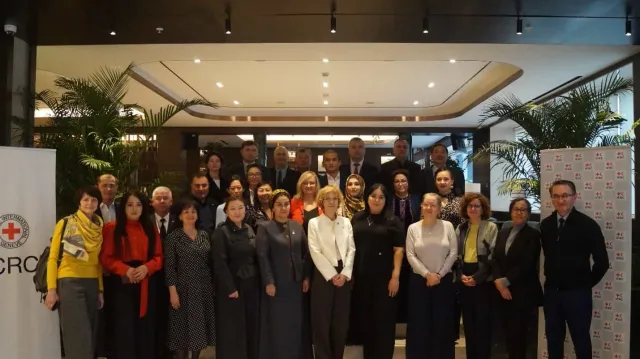
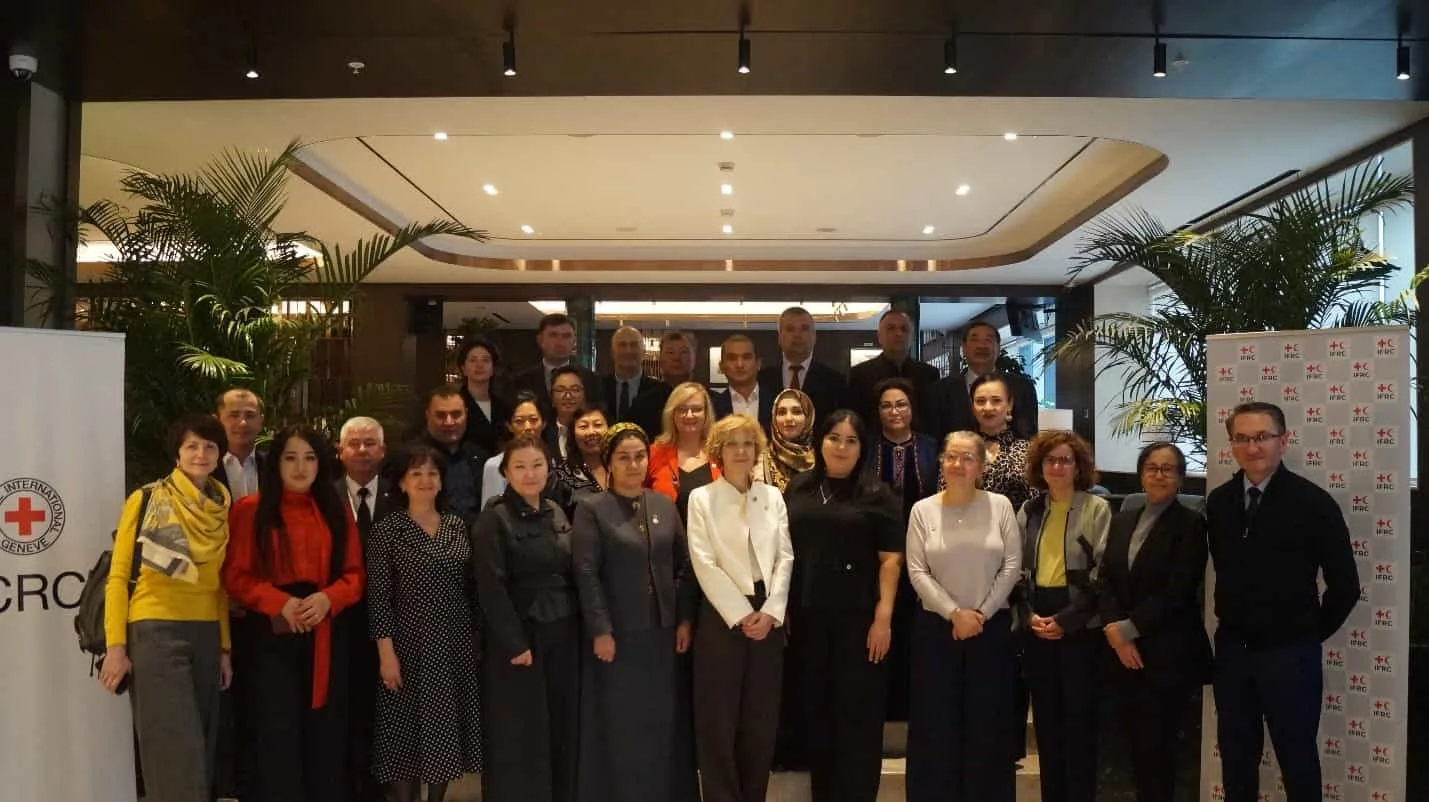
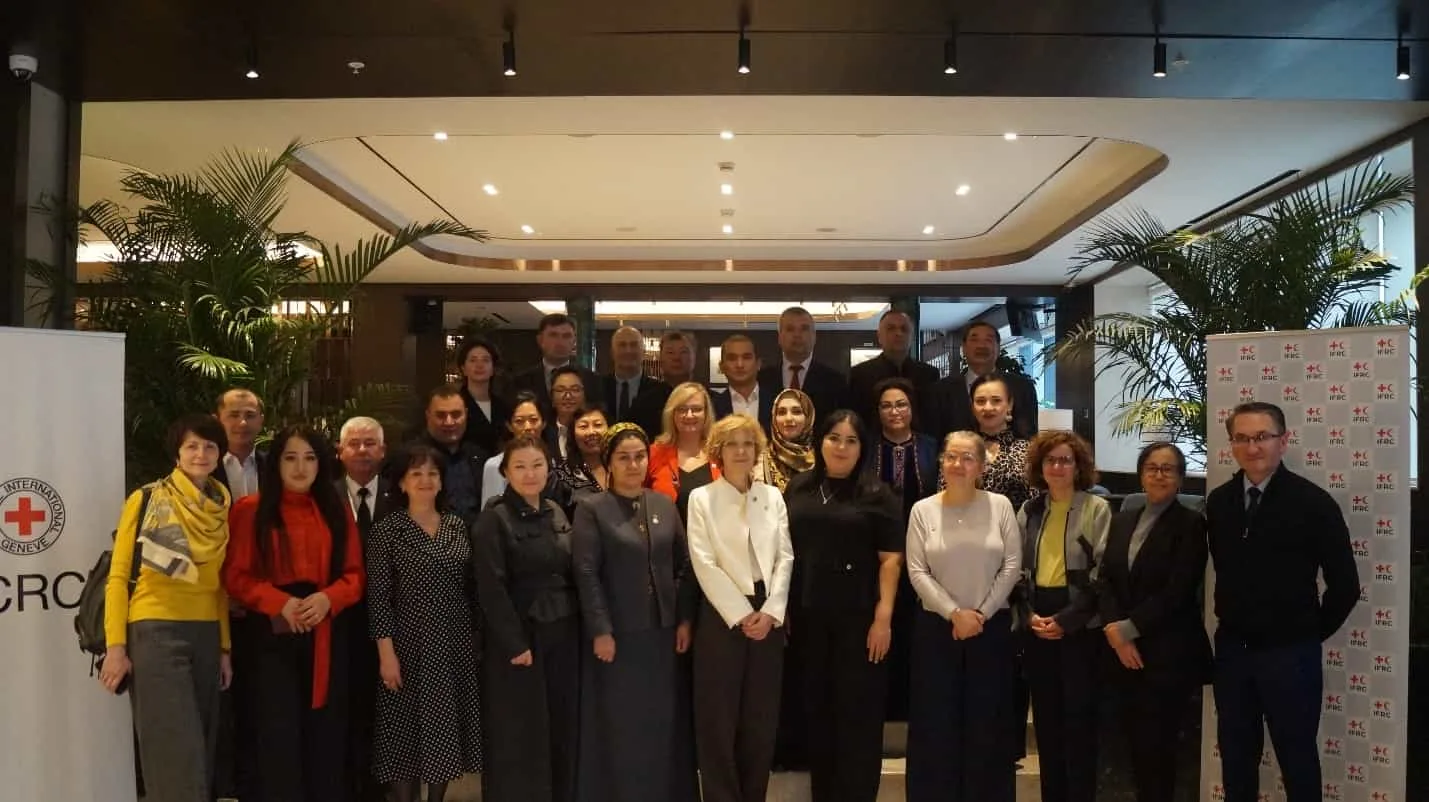
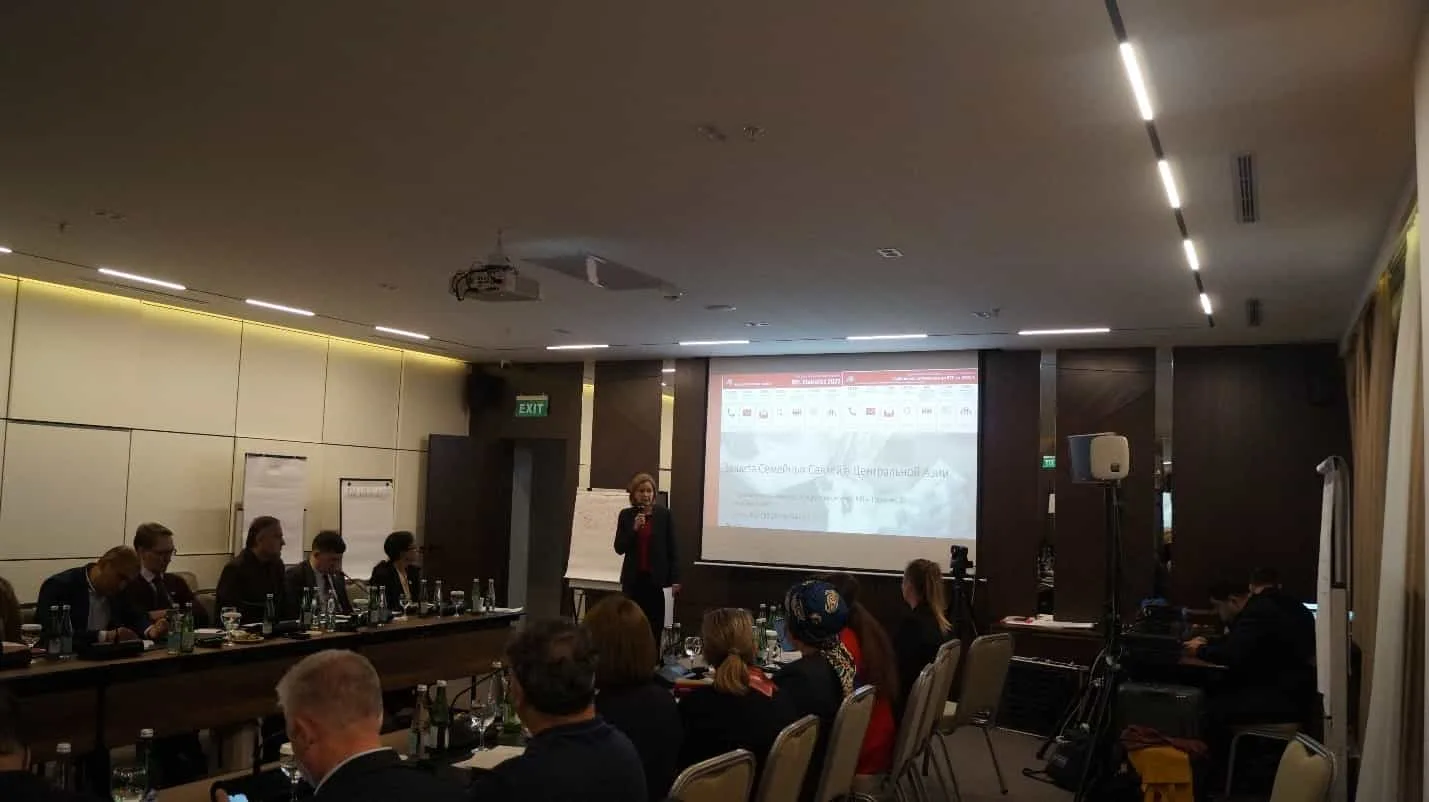
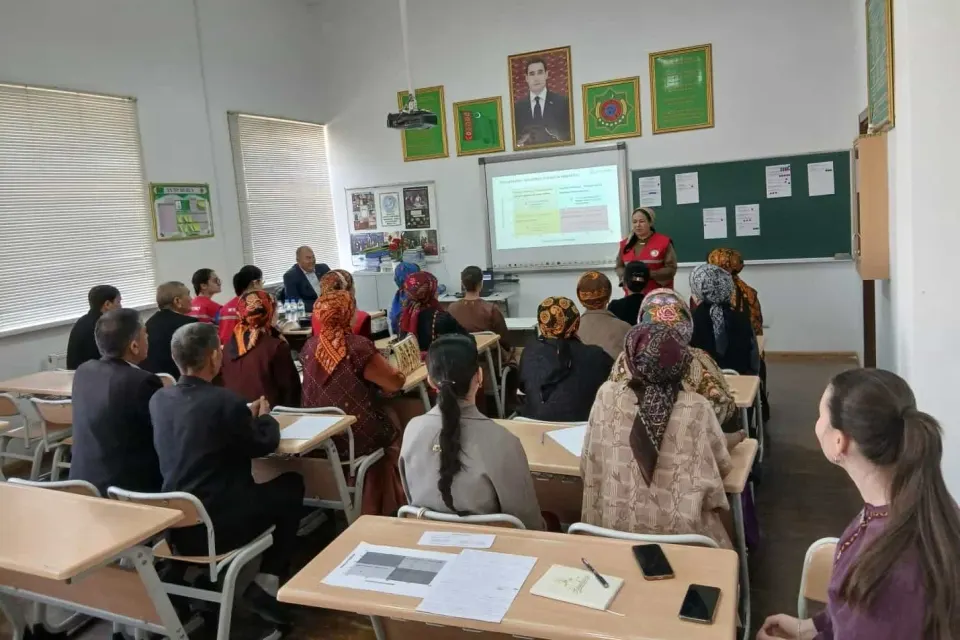
TASHKENT, November 10, 2026. In Tashkent, the capital of the Republic of Uzbekistan, a practical seminar for leaders and leading specialists of the National Red Crescent Societies of Central Asian countries, organized by the International Committee of the Red Cross (ICRC) and the International Federation of Red Cross and Red Crescent Societies (IFRC), has begun its work. A delegation of senior representatives and specialists from the National Red Crescent Society of Turkmenistan (NRCST) is participating in the regional forum, which runs from November 10 to 11. The meeting has become a new historical step toward strengthening humanitarian stability, enhancing emergency preparedness, and improving joint strategies in the region. The primary focus of the seminar's first day was the Movement Coordination for Collective Impact Agreement (Seville Agreement 2.0). This international agreement serves as a foundational treaty that ensures clear, stable, and harmonious interaction among the three main components of the Movement (the ICRC, the International Federation, and National Societies) during humanitarian crises and emergencies, completely eliminating the duplication of each other's functions in the same operational area. Its core objective is to maximize the speed and quality of international assistance provided to affected populations through the rational and targeted allocation of material and human resources, as well as to further strengthen the central and coordinating role of National Societies within the global humanitarian system. During the conference, the role of this new agreement within the Movement's internal regulatory and legal framework and its interconnection with other mechanisms were analyzed in detail at the expert level. The Seville Agreement 2.0 is fully based on the Statutes of the International Movement, the Geneva Conventions, and the Fundamental Principles of humanitarian action (use of the emblem, the auxiliary role of National Societies to public authorities, etc.), updating them in accordance with modern challenges. Through international legal mechanisms, the document guarantees and consolidates the legal status of each country's National Society as the "primary coordinator and leading organization" when conducting humanitarian operations within its sovereign territory and in the region (localization of aid). During the seminar, the leadership of the National Red Crescent Society of Turkmenistan delivered presentations, confirming full readiness for close regional cooperation in implementing the norms and procedures set forth in the "Seville Agreement 2.0." The seminar will continue through November 11.